






Wastewaterenvironmentaltreatment - Bionetix®
Cleaningsanitationsolutions2 - Bionetix®
Additivesconcentrates - Bionetix®
Icon 1 - Bionetix®
Icon 5 - Bionetix®

BCP55™

Starch-Degrading Wastewater Bacteria

Formula: Powder

Class: Bacteria

pH: 6.0–8.0

Bacteria Count: 7.00E+09

Shelf Life: 2 years

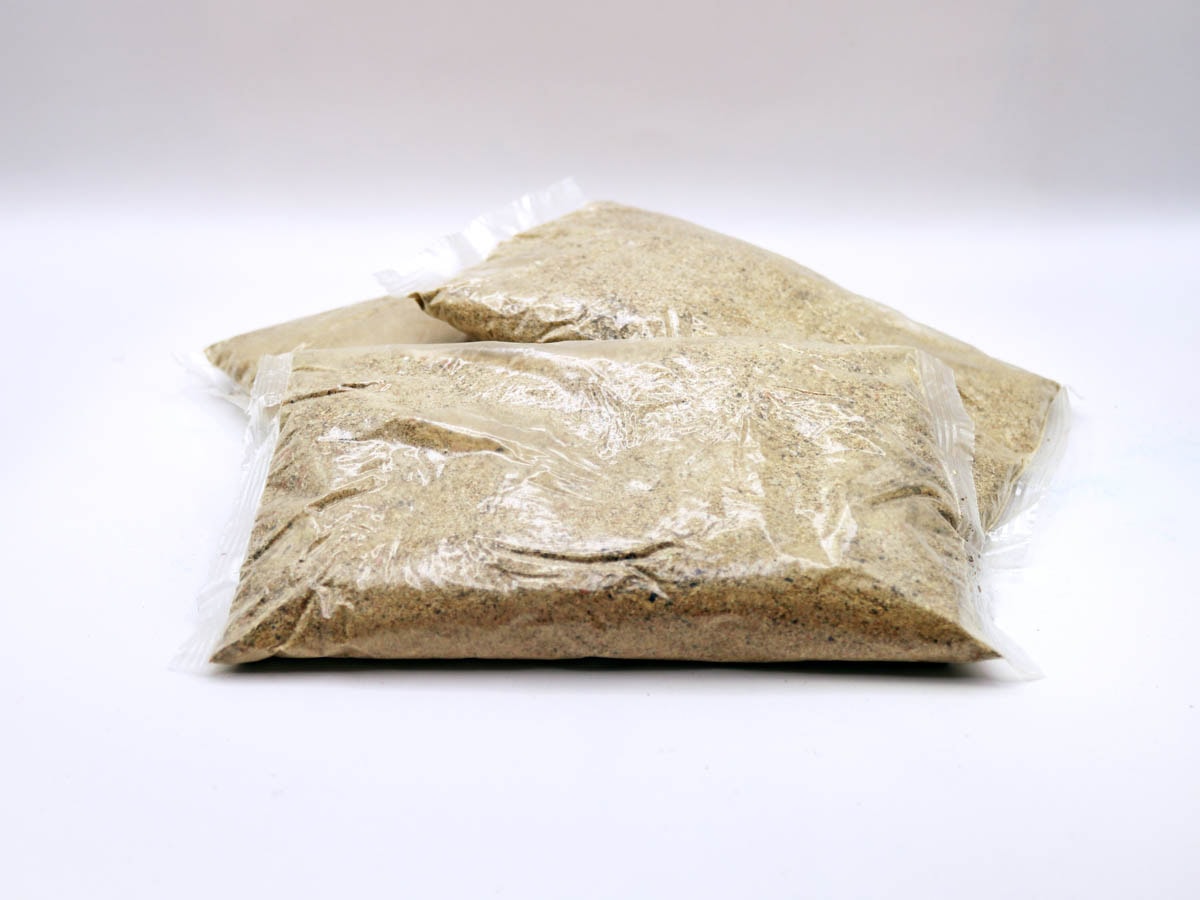
Color & Appearance: Beige powder with white granules

Name(Required)

Login to View Case Histories

BCP55™ contains a special bacterial blend that degrades starch and cellulose. Starch and cellulose are natural polysaccharides, produced by plants as their energy reserve. Industries that process cereals, grains, potatoes, etc. usually have high starch and cellulose contents in the influent wastewater. These complex molecules create serious issues in wastewater treatment plants due to their low biodegradability. Wastewater from starch factories also has a high organic matter load. Our mix of aerobic and facultative anaerobic bacteria help to degrade this organic matter. Bioaugmentation with BCP55™ will introduce specially selected microorganisms that are high amylase and cellulase producers. Cellulase enzymes degrade cellulose, while amylase enzymes degrade starch molecules.

Features & Benefits

Reduces BOD (biochemical oxygen demand) and TSS (total suspended solids) concentrations and unpleasant odors
Increases wastewater treatment efficiency
Lowers foam
Helps new plant startups

Pulp and paper manufacturing wastewater treatment plants
Paper mills and converting facilities
Wastewater systems treating cellulose-rich effluents
Aerobic biological treatment processes
Facilities experiencing treatment upsets or overload conditions

Key Markets:

Industrial Wastewater, Municipal Wastewater

Check back soon for availability information!

They provide bioaugmentation products (microbes + nutrients) that help wastewater treatment plants, industrial facilities, and grease traps degrade organic pollutants, reduce sludge, and manage odors.
Yes, but in many cases, the native microbial population can’t keep up with surges in waste, shock loads, cold temperatures, or imbalances. Supplementing with specialized microbes helps restore balance, maintain efficiency, and control odors.

Their products can target fats, oils, grease (FOG), proteins, carbohydrates, industrial wastewater, municipal sewage, sludge, and even certain chemical contaminants.

Typically they are added to secondary treatment (or other stages) as a “shock dose” to correct upsets, or as a regular maintenance dose to sustain microbial activity and reduce sludge buildup.

Yes — Bionetix offers strains that are adapted to tolerate lower temperatures, helping maintain performance during cold-weather operations.

Yes — for example, BCP12 is a blend of bacteria, enzymes, and nutrients designed for sludge digestion in anaerobic digesters; it can reduce sludge mass, improve biogas production, and control odors.
Because the products are biological (not synthetic chemicals), they are generally more acceptable in environmentally sensitive contexts. That said, compliance depends on specific discharge limits and regulatory frameworks — Bionetix can work with technical teams to develop appropriate treatment plans.

related products

  • Bionetix Coming Soon Photo - Bionetix®

    MICRO 14™

    Micronutrient Blend Stimulating Microbial Growth

    Learn more >

  • Bionetix Coming Soon Photo - Bionetix®

    ECO-CLEAN 5000™ P

    Powder Hydrocarbon Surface Cleaner & Degreaser

    Learn more >

  • Bionetix Coming Soon Photo - Bionetix®

    ECO-CLEAN-ALL™

    Biological Surface Cleaner for Grease, Oil, Protein Soils

    Learn more >

  • Bionetix Coming Soon Photo - Bionetix®

    DEL 2002™

    Urea Hydrochloride Acidic Cleaning Concentrate

    Learn more >

  • Bionetix Coming Soon Photo - Bionetix®

    BCL6000™

    Versatile Bacterial-Enzyme Blend for Organic Waste Reduction

    Learn more >